Research
My research explores why people resist, what makes conflict escalate or become productive, and how difficult conversations can serve democracy rather than undermine it (see i.e. DemocraGPT). At its core is the project „Rethinking Psychological Reactance“ (Also my PhD-topic): how perceived threats to freedom are experienced, expressed, and translated into resistance, withdrawal, or action. I study these processes at the intersection of social/political psychology and communication science, with a particular interest in digital public spheres and LLM-Based methodology and tools.
Alongside developing a process-oriented understanding of reactance, my work provides tools for studying it: a comprehensive state reactance scale, a typology of resistance responses, and a codebook for identifying reactance in written communication. Increasingly, I ask what comes next: How can we stay in conversation when disagreement becomes difficult? What makes conflict “good” rather than destructive? And can people learn the skills needed to engage across difference?
Communication in action
I speak, moderate, develop, and translate research into practice. Building on my work on resistance, freedom, and conflict, I give talks and workshops on difficult conversations, psychological reactance, positive psychology, and political motivation – and create spaces in which disagreement can become productive rather than divisive.
As a moderator and speaker, I bring scientific perspectives on freedom, communication, and democracy into public conversations. As a communication consultant and scientific partner, I develop and accompany projects that turn evidence into practice; from training people for challenging conversations to designing communication around complex societal issues. Recent work includes developing heat-prevention communication for extreme-weather contexts and creating research-based approaches to practicing democratic conflict. I work in both English and German, combining scientific rigor with a curiosity for (un)ordinary formats and ideas.
FROM THE BLOG
What I’ve been thinking about
Read the most recent blog-postings or look into my past texts (here) or listen to my old podcast „Nachtspatziergang“.
-
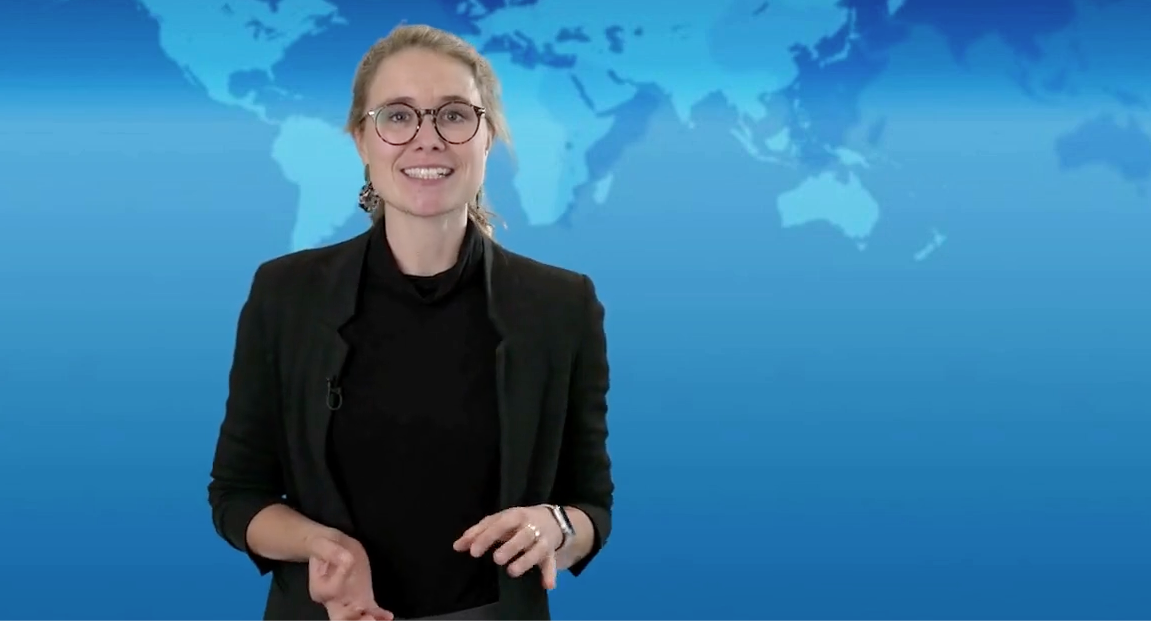
Video: Streiten ist eine Superpower.
Read more: Video: Streiten ist eine Superpower.Ich habe hin- und herüberlegt, ob ich dieses Video hier teile; aber dann dachte ich: warum nicht! Denn die Aussage ist kompakt, relevant und mein Charakter kommt genau so raus, wie er tatsächlich ist (for better or for worse). Entstanden ist das Video im Rahmen eines…
-
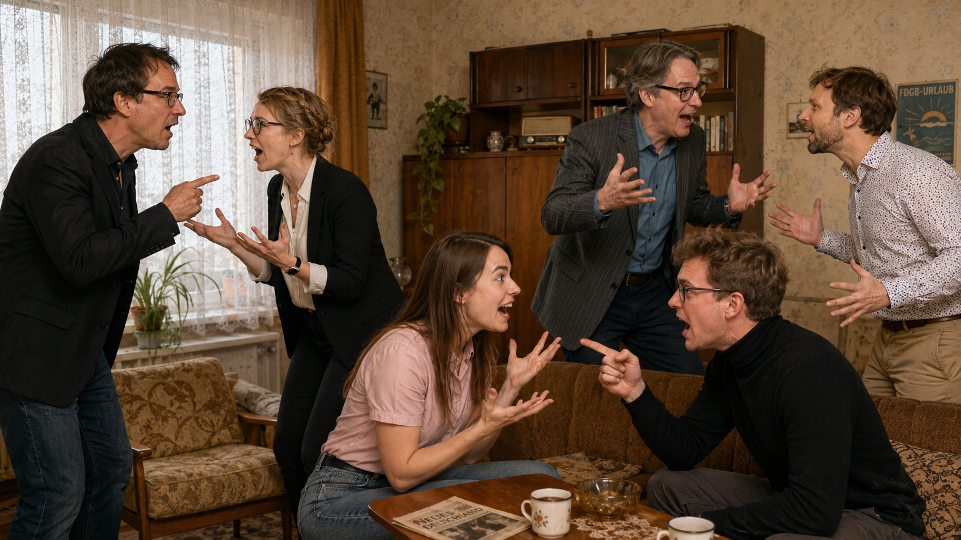
DemocraGPT: Can we learn to stay in difficult conversations?
Read more: DemocraGPT: Can we learn to stay in difficult conversations?What if generative AI did not make conversations easier – but gave us a safe place to experience why they become difficult in the first place? For quite some time, my research has revolved around a deceptively simple question: Why do people resist? What happens when we feel restricted,…
-
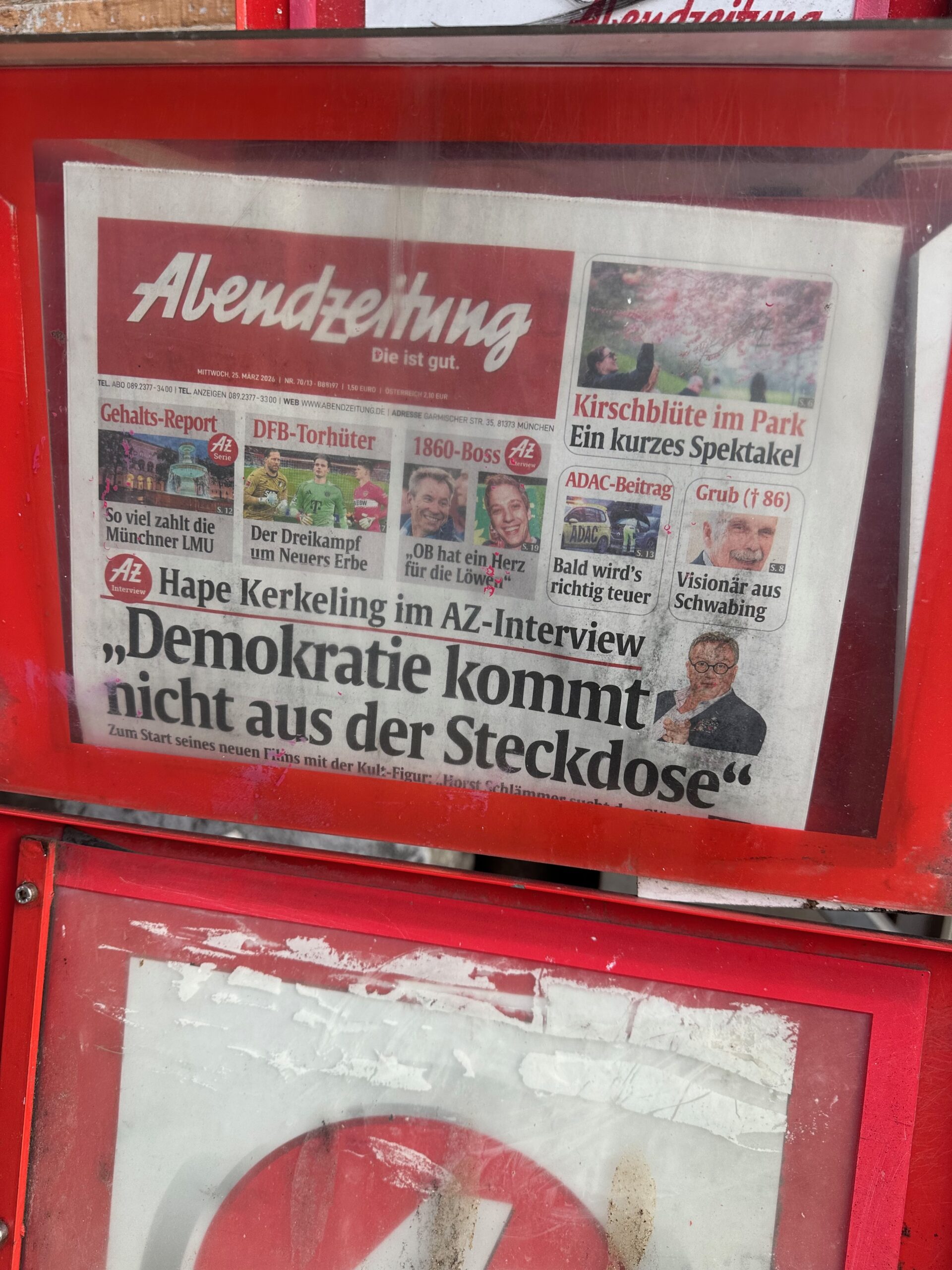
Prokrastinierende Promovierende sorgt sich um den Lokaljournalismus.
Read more: Prokrastinierende Promovierende sorgt sich um den Lokaljournalismus.„Berlin. Prokrastinierende Promovierende sorgt sich um den Lokaljournalismus.“ So oder so ähnlich hätte ich den Aufmacher für die Radionachricht geschrieben, oder meinen Zeitungsartikel genannt, als ich noch im praktischen Journalismus gearbeitet habe heute hat die Alliteration immerhin dazu gereicht, dass Du diesen Post liest, danke. Ich…
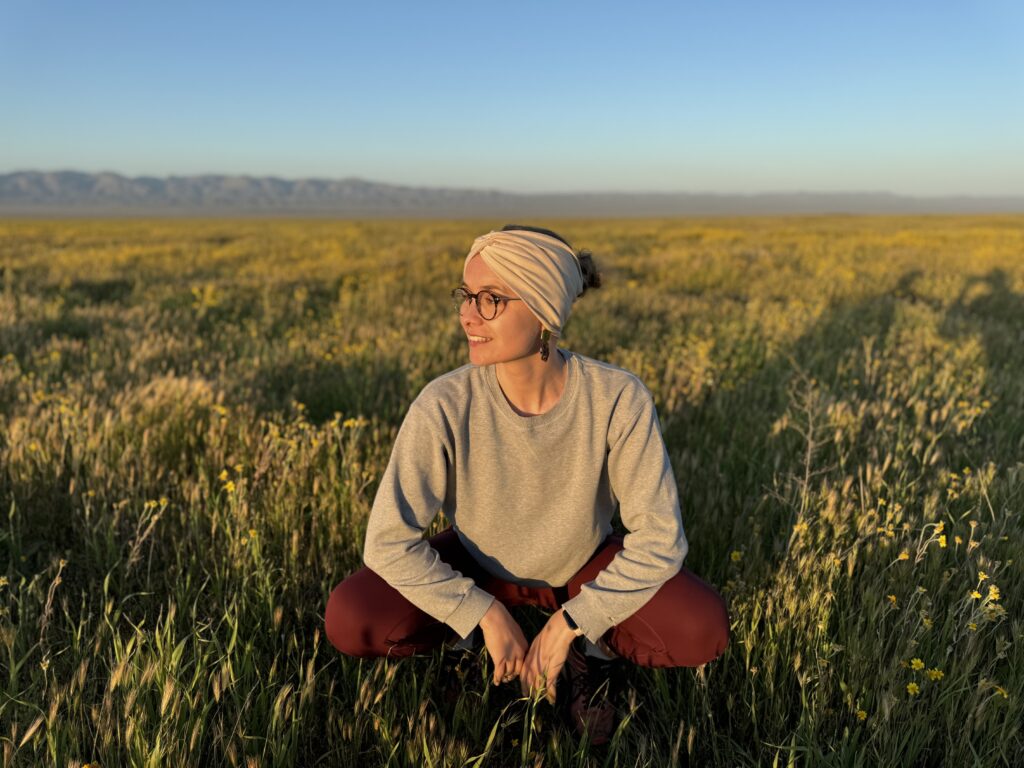
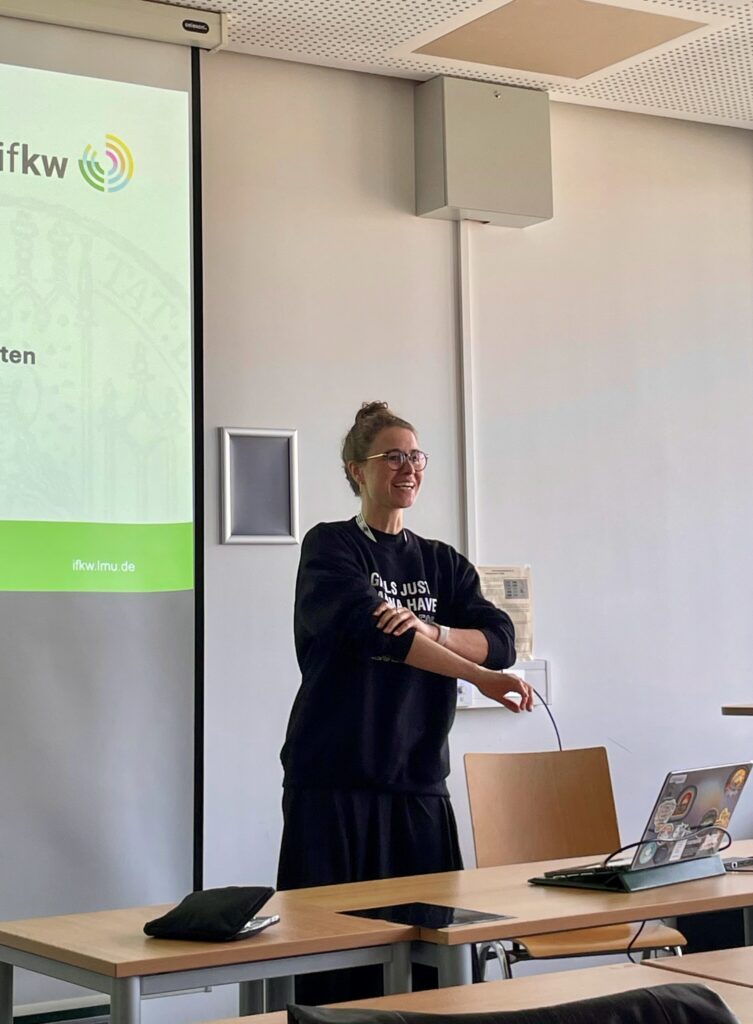
That’s me.
I am a social psychologist (LMU, UdK, former visiting researcher @ UC Berkeley), choir singer, runner, and communicator. My research topics range from emotional psychology to home and political motivation concepts. All that collides in hands-on interpersonal communication. I have a thing for problems and another for order; I tend to get lost in my mind and slide down the edges of my soul, and in all that, I feel that we are all not so different from one another. I share the condensed view of my life’s obstacles, insights, and learnings in my research, podcasts, and blog posts – because I am certain that sharing this stuff makes everyone feel better, stronger, closer, and less weird. And that’s a good thing.